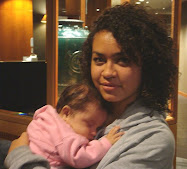
Addiction memoirs abound today, including The Night of the Gun by David Carr, media columnist and culture reporter for the New York Times. Carr recalls his years as a cocaine addict and dealer in the Twin Cities, admiting to having beaten his wife. After leaving his infant twin daughters in a freezing cold car one night (only to find them miraculously alive hours later) he was finally able to kick his habit, advance his career as a journalist, remarry, repair his relationships with his daughters, and set about to write this account. He interviewed people from his past, reflecting on the impact of his recklessness. (He also changed his physical appearance from stocky to gaunt, and it's a bit odd to see the number of recent photos of him on the web, holding what appear to be alcoholic beverages.)
Anyway, fair enough: Carr is a much better writer than the infamous James Frey, author of A Million Little Pieces, a book that sold millions of copies thanks to Oprah's endorsement. Frey was confronted by Oprah on national television after being exposed by The Smoking Gun for what they called his "fiction addiction." (Wouldn't that be an "addiction fiction"?) This set off a discussion of truth, lies, and authorial license that deserves better writing than that offered by Frey, whose prose style is atrocious and whose sensibility short on intelligence, insight, or inspiration. (I know, that was harsh.)
As Maia Szalavitz notes in a piece called "Why Former Addicts Dread Addiction Memoirs", the topic fascinates because it touches on free will, morality, neuroscience, sociology, psychology, and politics. It may also deal, as it does in Berryman, with the making of art.
Long before any of these recent books hit the shelves, the poet John Berryman wrote most of his only novel, Recovery; perhaps this was the first contemporary addiction memoir. In the character of Alan Severance, a stumbling, self-deprecating, self-aggrandizing writer, Berryman makes a heartbreaking effort to overcome both addiction and despair, submitting to a treatment center routine of 12-step encounter groups, compassion, and confrontation.
Recovery is fascinating for tracking the internal workings of a mind tuned to the frustrations and compensations of self-expression. It offers his painstaking attempt to make sense of the tragic dimensions of the past personal. Berryman was also grappling with religious issues, seeking a spiritual framework that would accomodate his capacious mind and enable him to more easily make the decision to surrender to a higher power. The Thunder Mouth Press edition of this book includes prefaces by Saul Bellow and Philip Levine, and an early story by Berryman called "The Imaginary Jew," published in The Kenyon Review in Autumn 1945.
Recovery is dedicated "To the Suffering Healers." The book is impossible to read without mourning the sadness of Berryman's suicide or gaining insight into the anguish of those who are caught within the physical and psychological torment of addiction.
And in light of all the fuss about recent disingenuous memoirs, I appreciated the wry opening note:
I don't write as a member of the American and international society, Alcoholics Anonymous (founded 1935), but as an author merely who has experienced certain things, witnessed things, heard things, imagined some. The materials of the book, however, especially where hallucinatory, are historical; all facts are real; ladies and gentleman, it's true.





























.jpg)















.jpg)