Yesterday was Yom Kippur, the day of atonement in the Jewish tradition. A day of fasting, prayer, and reconciliation, it ends the 10 Days of Awe following Roshashana. Yom Kippur invites a searching of the soul, of consciously trying to repair injuries, right wrongs, and bring things into balance. It often involves committing to charitable efforts.
I have been thinking about these 10 Days of Awe, and about the value of a time of meditation on the topics of reparation and reconciliation.
I found an interesting site: the Coalition of Women for Peace offers information about many women's groups, including The Fifth Mother, wh0 use peace strategies to aim for reconcilation between Israel and Palestine. The Coalition of Women for Peace helps women from disparate backgrounds explore the complex nature of the Middle East conflict, find ways to think through divisive issues, and promote peace within their own groups and communities.
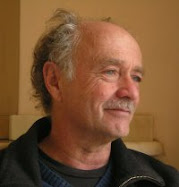
Artists often explore peace and conflict in profound and moving ways. Musician David Harris, of St. Paul, MN produced a musical event called Peace in the House at the beautiful Southern Theater in Minneapolis in February 2006. (Alas, I remember missing this because of a blustery snowstorm, while visiting my parents in the Twin Cities.) Harris is the artistic director of Voices of Sepharad, a group that specializes in the music of Sephardic Jews. That's his photo above.
On the left you'll find a picture of the Portland Maine human peace sign. And here is the California state capitol seen through a peace symbol made of flowers, during a demonstration against the war in Iraq in March 2008.